Top 5 Best Practices for Successful Logistics ERP Integration
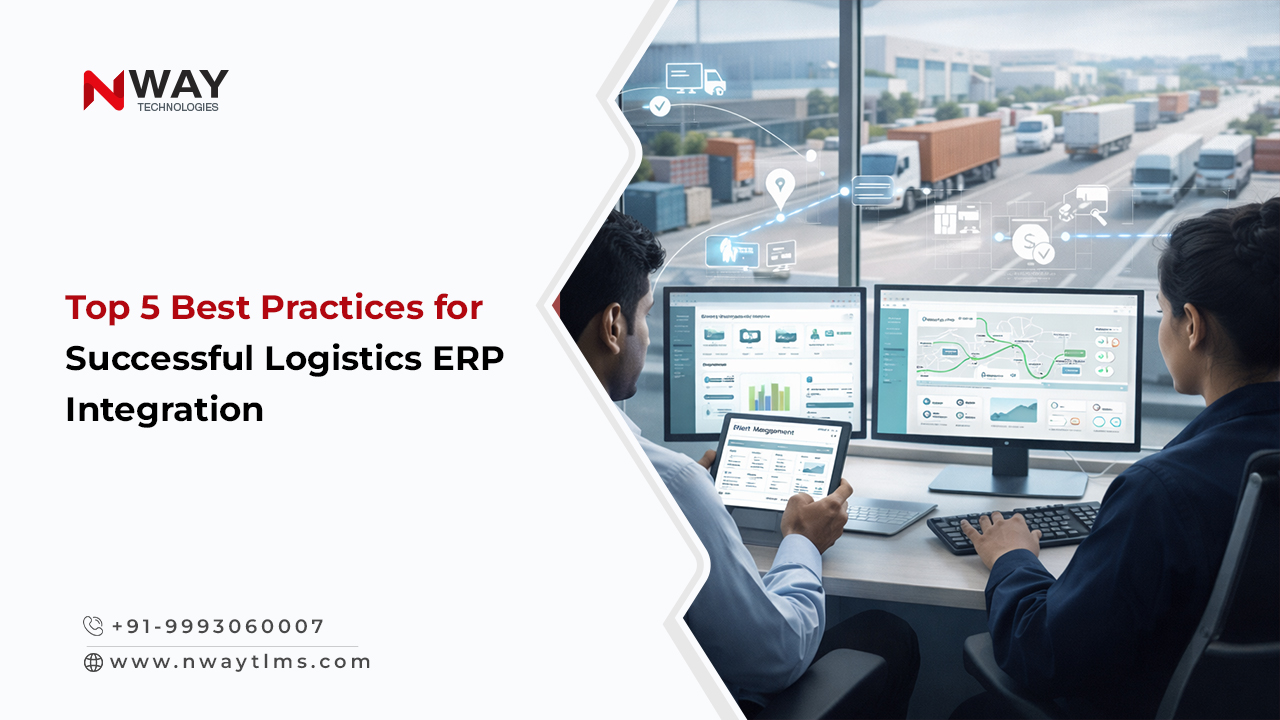
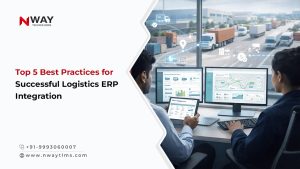
Logistics companies in India face constant pressure to reduce costs, improve delivery speed, and manage fleets efficiently. Manual processes, disconnected systems, and paperwork often slow operations and create errors. Logistics ERP integration connects all parts of a company’s operations into a single, digital system, making workflows smoother and decisions faster.
This guide explains top practices for successful logistics ERP integration, how Indian companies can implement ERP effectively, and how Nway TLMS, a complete logistics ERP platform, enables businesses to adopt these practices seamlessly.
Table of Contents:
- What Is Logistics ERP Integration?
- Top 5 Best Practices for Successful Logistics ERP Integration
- How Nway TLMS Makes Logistics ERP Integration Easy
What Is Logistics ERP Integration?
Logistics ERP integration is the process of connecting ERP software to manage all transport, warehouse, and billing operations in one system. With this integration, companies can:
- Track shipments, vehicles, and inventory in one place
- Automate scheduling, billing, and reporting
- Access real-time insights for faster decisions
Instead of relying on paper and manual data entry, Indian logistics companies gain visibility, efficiency, and control over their supply chain.
Challenges in Indian Logistics ERP Implementation
ERP integration in India faces unique challenges:
Fragmented operations: Fleets and warehouses often operate independently
Manual processes: Paper bills, delivery notes, and invoices slow operations
Limited technical skills: Smaller firms struggle with software adoption
Infrastructure gaps: Digital connectivity varies across regions
See how your transport operations can become simpler and more accurate.
Explore ways to reduce manual errors and speed up deliveries.
Studies show that 60% of ERP projects in Indian logistics fail to meet their objectives due to insufficient planning and low user adoption.
Effective ERP integration requires strategy, clean data, and proper training, not just software.
Top 5 Best Practices for Successful Logistics ERP Integration

Define Clear Goals and Scope
Set measurable objectives before starting ERP implementation, such as:
- Reducing delivery delays
- Improving invoice accuracy
- Tracking fleet and inventory in real time
A clear scope ensures that logistics ERP implementation addresses real operational challenges without adding unnecessary complexity.
Involve All Stakeholders Early
ERP adoption succeeds when all teams understand and support it. Include:
- Fleet managers
- Warehouse supervisors
- Accounts and billing staff
- IT personnel
Early involvement improves user adoption and ensures smooth workflow integration across the company.
Clean and Standardize Data
Data from old systems, paper records, or spreadsheets must be cleaned and standardized. This ensures:
- Accurate reporting and analytics
- Reduced errors and duplication
- Reliable operational insights for managers
For Indian logistics companies, this step is critical because paper-based records often contain inconsistencies.
Choose the Right ERP Software for Logistics Industry Needs
Not all ERP systems are equal. When selecting software, ensure it:
- Handles transport, warehousing, and billing in one platform
- Provides real-time dashboards for decision-making
- Supports scaling as the fleet or warehouse grows
- Offers local language support if required
A proper logistics management ERP reduces implementation issues and improves ROI.
Train Users and Monitor Performance
Successful logistics ERP integration depends on people using it effectively. Companies should:
- Conduct hands-on training
- Provide ongoing support
- Monitor KPIs like delivery time, invoice accuracy, and fleet utilization
This ensures the system delivers the expected results and provides actionable insights for managers.
How Nway TLMS Makes Logistics ERP Integration Easy and Effective
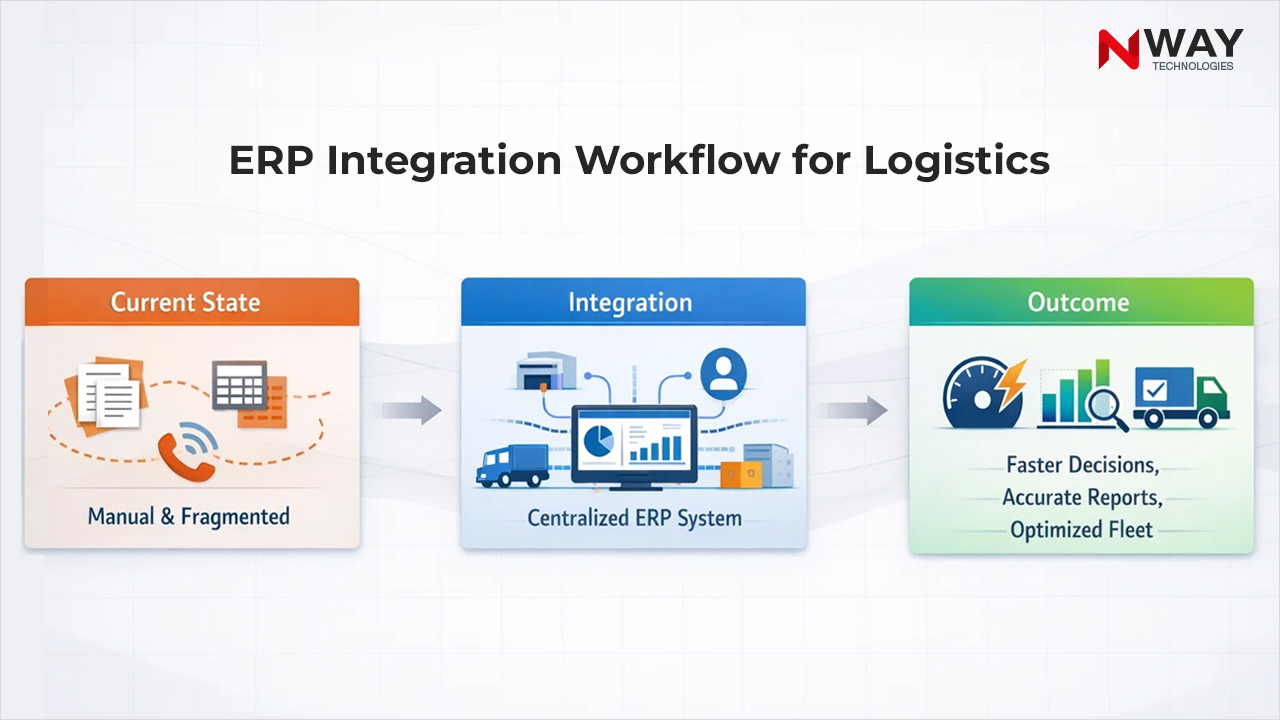
Nway TLMS is a complete logistics ERP system built for Indian transport and logistics companies. Beyond offering features, it simplifies the integration process so companies can adopt ERP without delays or complexity.
Quick Onboarding: Pre-configured workflows for fleet, warehouse, and billing operations reduce setup time and avoid common integration errors.
Seamless Data Migration: Existing data from spreadsheets, legacy software, or paper records is cleaned, standardized, and imported efficiently.
Step-by-Step Support: Built-in tutorials, dashboards, and process checks guide teams to follow best practices, ensuring adoption is smooth across all departments.
With Nway TLMS, Indian logistics companies can achieve successful logistics ERP integration faster, with less manual work, fewer errors, and immediate operational visibility.
Conclusion
Logistics ERP integration is essential for Indian transport companies seeking efficiency, cost reduction, and operational control. By following best practices—defining goals, involving stakeholders, cleaning data, choosing the right software, and training users—businesses can achieve successful logistics ERP implementation.
Nway TLMS, as a full logistics ERP platform, enables these practices seamlessly. It centralizes operations, provides AI-driven insights, automates data handling, and optimizes resources, turning fragmented workflows into efficient, predictable, and controlled logistics operations.
Transform how your transport company handles shipments and data.
Learn how Nway TLMS provides predictive insights and centralized control without disrupting daily operations.
FAQs
It is the process of connecting ERP software to manage transport, warehouse, and billing operations in one digital system.
It reduces manual errors, improves delivery tracking, and allows managers to make faster, data-driven decisions.
Fragmented operations, inconsistent data, low technical skills, and poor change management are key challenges.
By defining clear goals, standardizing data, selecting user-friendly ERP software, and training staff effectively.
Nway TLMS simplifies ERP adoption by providing pre-configured workflows, seamless data migration, AI-driven guidance, and step-by-step support. This ensures companies integrate ERP smoothly, reduce errors, and start seeing operational improvements quickly.
Let’s make running your construction business a little less crazy.
Subscribe for weekly insights.
Recent Posts